Sewer versus septic is the next question. Kitsap County Sewer Utility operates a sewer system and treatment plant serving the Suquamish village core and the waterfront. The Suquamish Tribe also operates utilities for its own facilities. Outside the sewered core, the larger lots and the Miller Bay side are on septic. Suquamish is about 40 to 50 minutes from Port Orchard up Highway 3 and over on Highway 305 toward Agate Pass, which puts it comfortably inside the territory we cover every week.
Why backflow preventer installation is a little different in Suquamish
Exposed backflow assemblies in Suquamish take a beating during Kitsap County's periodic hard freezes. We install drains and insulated enclosures on new devices and add them to existing ones so a cold snap does not mean another replacement in spring.
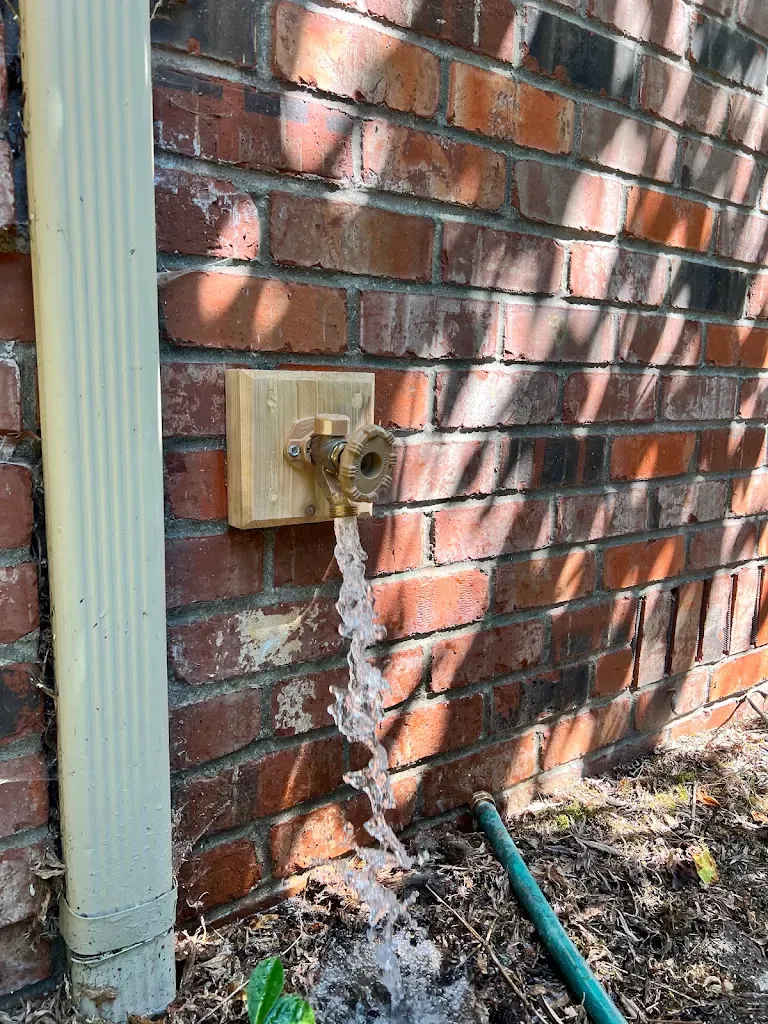
Then there is the Puget Sound winter. Protected from the worst of the north wind by the peninsula, but storms still push across Port Madison and Agate Passage into the waterfront. King tides stack with rain to flood the lowest drains near the beach. The December 2022 freeze and the January 2024 cold snap split hose bibs and uninsulated crawlspace lines in the older village houses.
Local conditions that affect backflow preventer installation in Suquamish
In Suquamish specifically, one issue comes up more than most: Side sewer roots and offsets in the older blocks on county sewer
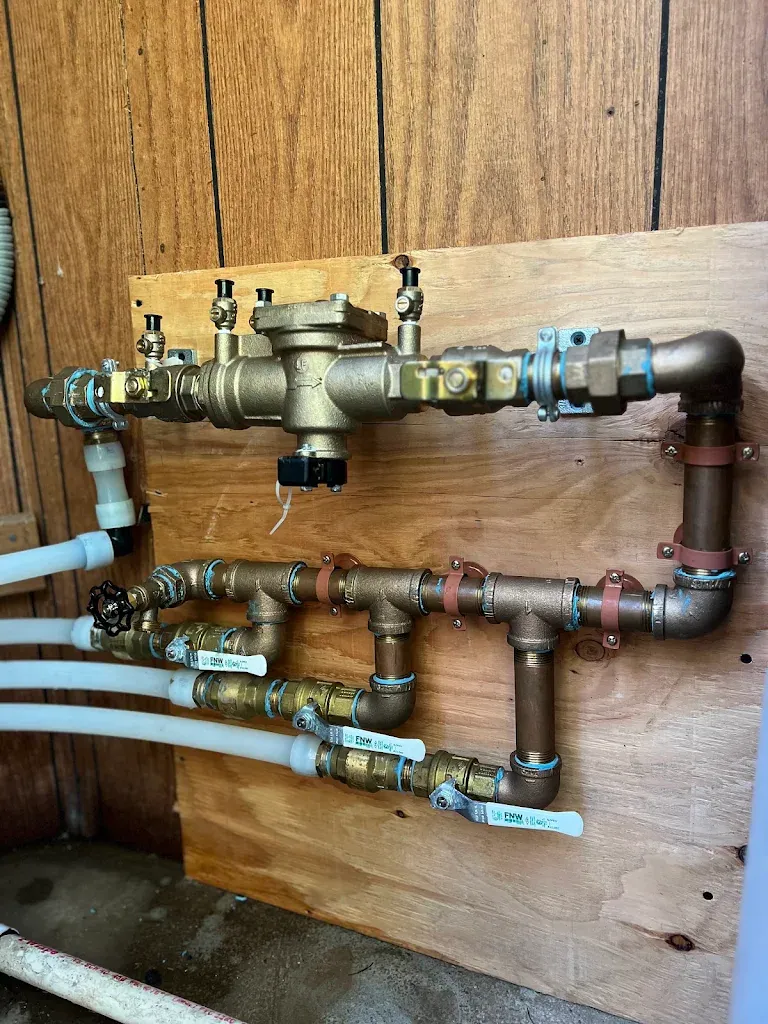
Commercial properties in Suquamish, from restaurants to car washes to medical offices, usually need an RPZ on the service and sometimes on individual equipment. We install them above grade with proper discharge so the relief port does not flood a floor.
Ask a Suquamish homeowner what goes wrong with plumbing here and you will usually hear a version of this: Crawlspace groundwater on the slope below Suquamish Way and at the shoreline
Water purveyors serving Suquamish run annual backflow testing programs, and the notices they send often leave homeowners unsure what device they actually need. We call the district, confirm the hazard classification, and install exactly what they will accept.
Signs Suquamish homeowners call us for backflow preventer installation
Worth a call
- A home inspector or county inspector flagged a cross-connection
- The brass body cracked in a winter freeze
- Your water district sent a notice requiring a backflow assembly or an annual test
- A certified tester failed your existing device
- Water is spraying or dripping from the relief port of an RPZ
How we handle backflow preventer installation in Suquamish
Our backflow preventer installation process in Suquamish is figure out what the purveyor wants, site check and flat quote, install with testable access, initial certification, then record and remind, with the written price coming before any tool is picked up.
Read the full step-by-step for backflow preventer installation →
Suquamish neighborhoods and areas we serve
Call from Suquamish village and the waterfront, Angeline Avenue or anywhere else in Suquamish, including the places near Suquamish Museum and Chief Seattle's grave at the Suquamish Memorial Cemetery that other outfits treat as a long drive.
Backflow Preventer Installation questions from Suquamish
Can you winterize a backflow assembly in Suquamish?
Yes. We add drain ports and blowout access during installation and can retrofit them to existing devices, and we offer insulated enclosures for assemblies exposed to the Kitsap County east wind.
Do you handle the paperwork for the Suquamish water district?
We coordinate the initial certification test and make sure the report reaches your purveyor. You get photos and device details for your own records.
Is a permit needed to install a backflow preventer in Suquamish?
Usually a plumbing permit is required, and the purveyor needs the installation and test report. We take care of both as part of the job.
Which water districts in Suquamish require backflow preventers?
Every public water purveyor serving Suquamish runs a cross-connection program under Washington's drinking water rules. If you have irrigation, fire sprinklers, a boiler or a well on the property, expect a requirement.
What is the difference between a double check and an RPZ?
Both have two check valves in series. The RPZ adds a relief valve between them that opens and dumps water if either check leaks, which is why it protects against higher hazards and why it has to be above ground with room to discharge. The double check can go in a below-grade vault.
We have cleared drains, swapped water heaters and dug up water lines in nearly every corner of Kitsap County. Suquamish is a short drive for us, which is why most calls there land same-day or next-day.