
Washington Plumbing & Drain inspects the full plumbing system of houses, condos, rentals and small commercial buildings across Kitsap, Pierce and Mason counties. Buyers hire us during the inspection contingency. Sellers hire us before listing so there are no surprises in negotiation. Landlords hire us between tenants. And owners who live in another state hire us to be their eyes on a rental or a family home near the base.
You get a plumber, not a checklist. Greg or one of our licensed plumbers goes through the house, under it, and around it, photographs what matters, and writes it up in plain language with what is fine, what is wearing, and what needs attention now. The report is yours to use however you want, including with a seller, a buyer or an insurance company.
What a plumber looks at that an inspector does not
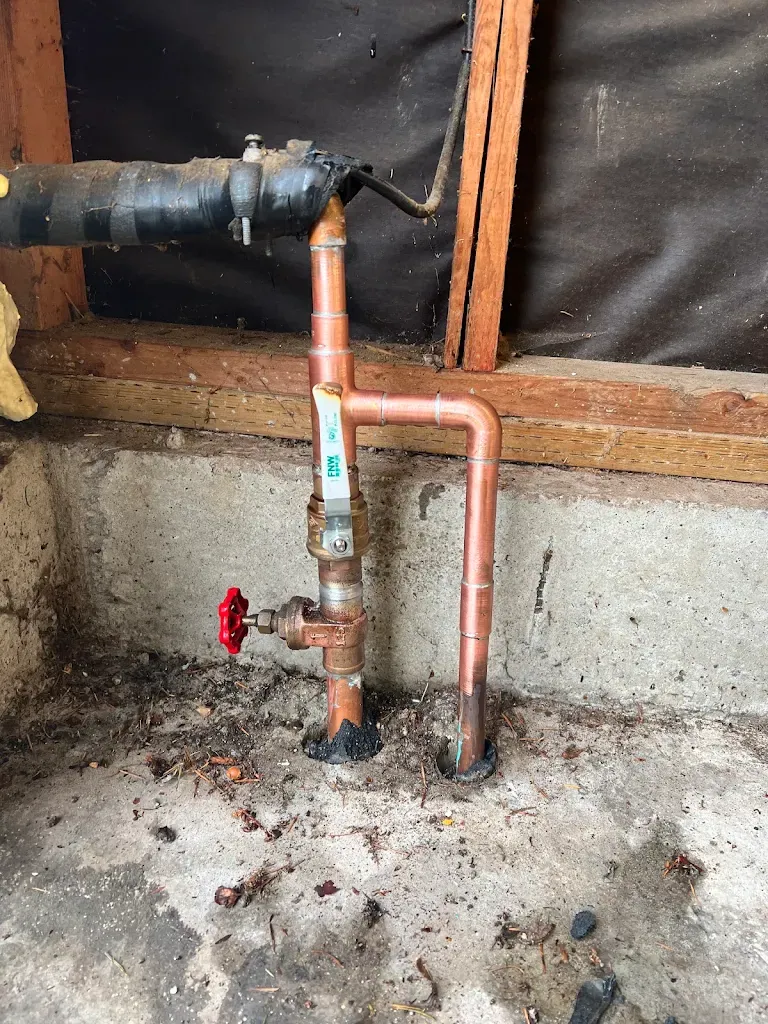
We start where the water enters. The main shutoff gets operated, not just located, because a gate valve that has not moved since the Reagan administration is often seized or will not fully close. We check for a pressure reducing valve and measure static pressure at a hose bib, since pressure over eighty psi is common on the hills above Bremerton and Port Orchard and wears out every fixture in the house. We note the service line material where it can be seen, because a 1960s galvanized or poly service is a replacement waiting to happen.
Inside, we identify the supply piping: copper, galvanized, PEX, CPVC or polybutylene. Each has a known life and known failure modes, and a house in the shipyard neighborhoods with original galvanized has a repipe in its future no matter how clean the fixtures look. We check for green corrosion on copper, mineral crust at joints, and the gray polybutylene fittings that fail without warning. Every visible joint in the crawlspace or basement gets a look.
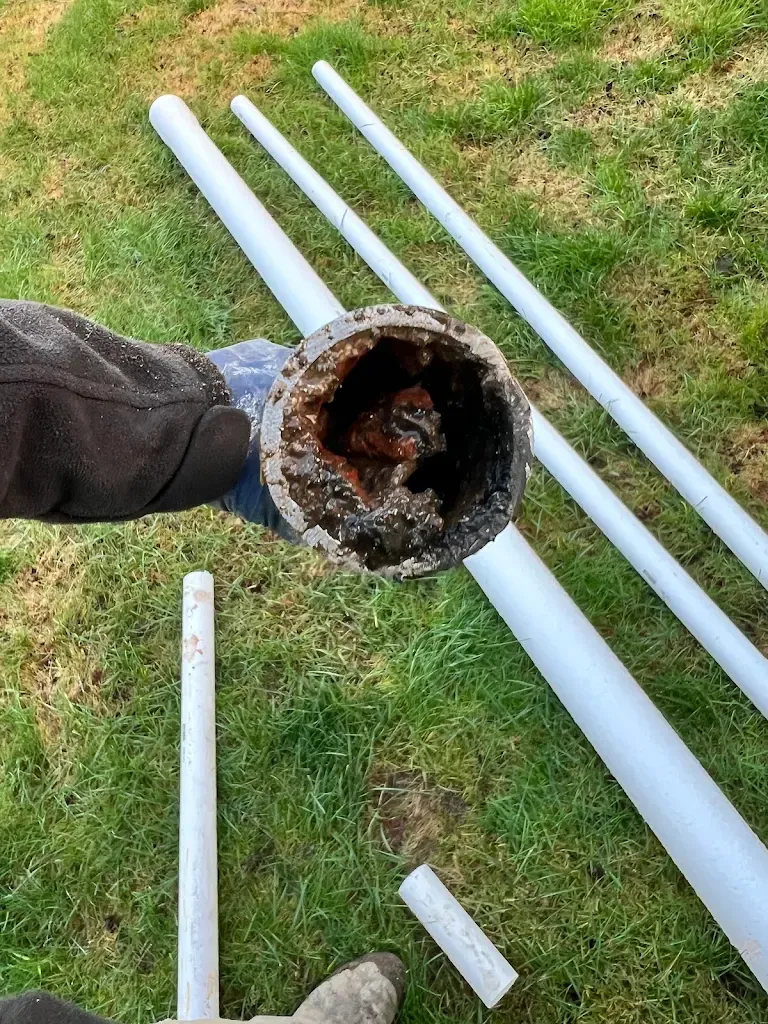
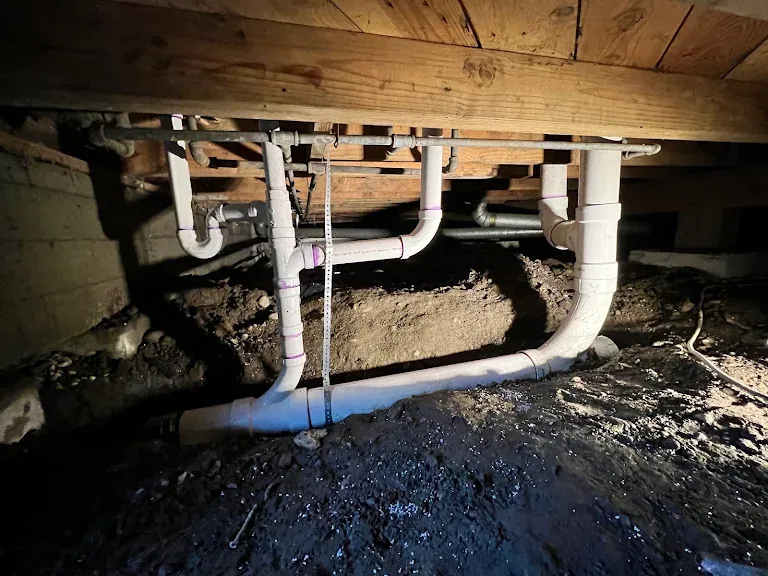
Drains get the same treatment. We identify cast iron, ABS, PVC and galvanized drain lines, look for rust bloom and scale on cast iron, check slope and support in the crawlspace, run every fixture and listen for gurgling, and inspect the cleanout situation. If there is no exterior cleanout, that goes in the report, because it affects the cost of every future drain problem.
The water heater, fixtures and the small things
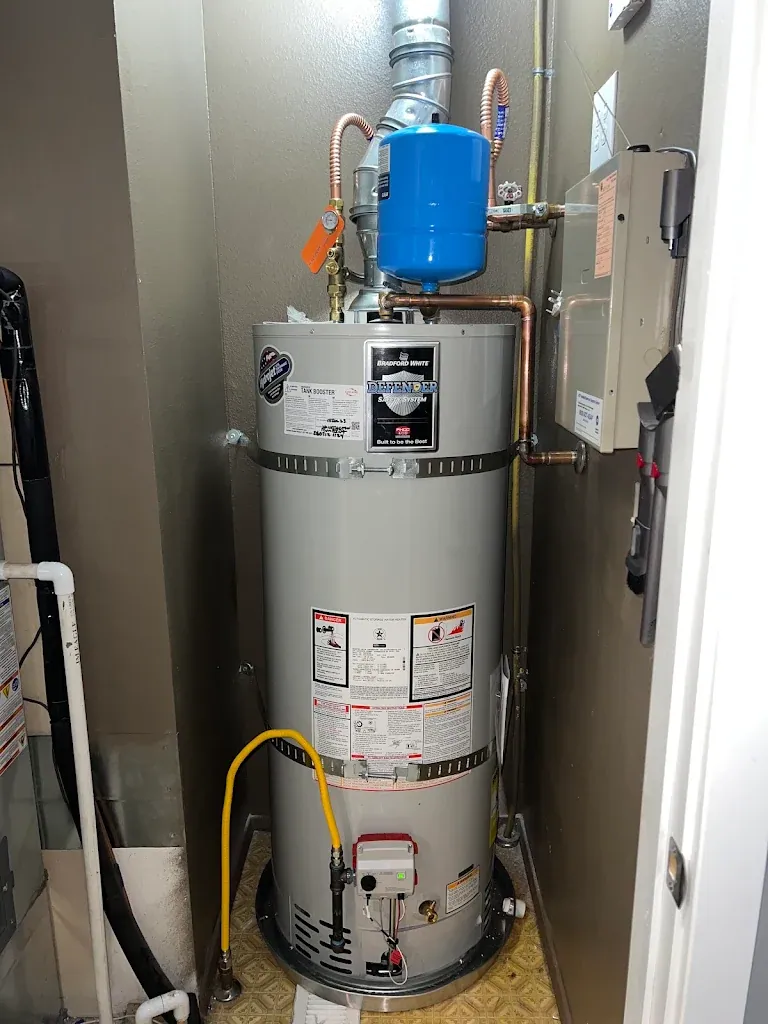
The water heater gets its age read from the serial number, not guessed. We look for corrosion at the fittings, sediment noise on a tank unit, scale on a tankless, a working T&P valve with a proper discharge line, seismic strapping, a drain pan where one is required, an expansion tank where the house has a check valve or PRV, and correct venting on gas units. A twelve-year-old tank in a closet over finished flooring is a different conversation than the same tank in a garage with a floor drain.
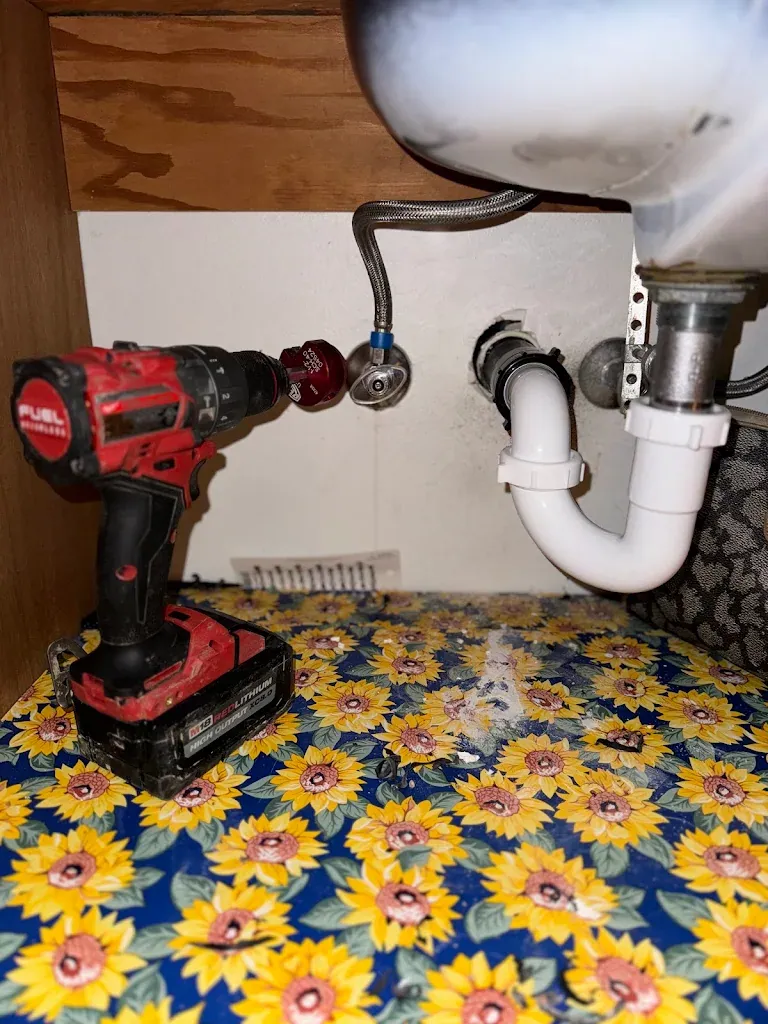
Every toilet is checked for a secure base, a sound flange, and a flapper that holds, because a silent running toilet is the most common cause of a surprise water bill. Faucets, angle stops and supply lines are checked under the sinks, where corroded stops and bulging braided lines hide. Shower valves get tested for temperature balance and the tub spout diverter for leaks. Disposals, dishwasher connections, ice maker lines and the washing machine valves all get a hand on them.
We also look at what is attached to the system: softeners and filters and whether they are bypassed, booster pumps, Flo-style smart valves, hose bibs and whether they are frost-free, and the condition of any gas piping and flex connectors we can reach.
Septic, wells and the parts of the system outside the house
A large share of the homes we inspect in Kitsap and Mason counties are on septic, a private well, or both. We do not pump tanks or certify drainfields, and we do not test well water, but we inspect the plumbing that connects to them. On a septic home that means the building drain out to the tank, the presence and condition of the pump chamber and its pump and alarm if there is one, and whether the drains show any sign the tank is backing up. We tell you when a septic inspection by a certified company is warranted, which for a purchase is nearly always.
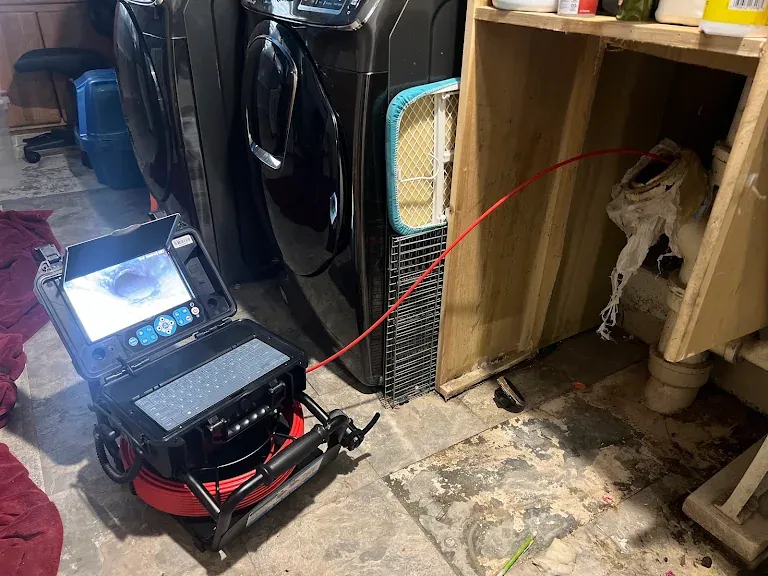
On a well, we inspect the pressure tank for waterlogging, check the pressure switch settings and cycle time, look at the condition of the pump house or pit, and note the age and type of any filtration. A short-cycling pump or a pressure tank that has lost its air charge is a repair the buyer should know about. We can also arrange a sewer camera inspection of the line to the sewer or septic as part of the visit, which on any home over thirty years old is money well spent.
Reports built for decisions
The written report comes with photos of everything we flagged and a plain description of the condition and what we would do about it. Items are sorted so you can see at a glance what needs attention before closing, what is a near-term maintenance item, and what is simply worth knowing. Where it helps, we include a flat-rate estimate for the repair, which gives a buyer something concrete to bring to negotiation and a seller a way to fix things before they become a credit.
We do not inflate findings. If a system is in good shape, the report says so, and more than one buyer has been told by us that the scary note from a general inspector was not a real problem. Reviews from our customers mention this regularly, and it is the reason agents in Port Orchard and Gig Harbor refer their clients to us.
Inspections for landlords and owners who are far away
Military families stationed at Naval Base Kitsap, Bangor and PSNS buy homes here and then get orders elsewhere. They keep the house, rent it out, and manage it from Virginia or San Diego. We work with a number of those owners and their property managers, inspecting between tenants, documenting the condition of everything with photos, and handling the repairs that come up. A plumber who already knows the house is worth a lot when a tenant calls about a leak at nine at night.
For landlords generally, an inspection at turnover catches the slow toilet leak, the failing water heater and the corroded angle stop before they become a tenant's emergency. We provide the same photo report, and for owners with several properties we keep a file on each one.
Signs you need whole-home plumbing inspection
Call if you notice
- You are buying a home and the general inspection raised questions about the plumbing
- The house was built before 1980 and has original galvanized, cast iron or polybutylene pipe
- You are listing a home and want to fix issues before a buyer finds them
- A tenant is moving out and you want a baseline before the next one moves in
- You own a rental near the base and live out of state
- The home is on septic or a private well and you want the plumbing side evaluated
- Water pressure seems high, the water heater is older than ten years, or the main shutoff has never been operated
- Your insurance company has asked for a plumbing evaluation
How a whole-home plumbing inspection call goes
Schedule around your timeline
For purchases we work inside the inspection contingency window. Tell Corinne the address, the closing date, and whether the home is on sewer or septic and city water or a well.
Walk the whole system
A licensed plumber operates the main shutoff, measures pressure, identifies every pipe material, runs every fixture, inspects the water heater, and goes into the crawlspace or basement.
Add a sewer camera if it makes sense
On older homes or any purchase, we recommend scoping the sewer or septic line during the same visit so you know the condition of the pipe you cannot see.
Photo report in plain language
Findings are sorted by urgency with photos and, where useful, flat-rate repair estimates you can use in negotiation or planning.
Repairs when you want them
If you decide to fix anything, the estimate in the report is the price. No second diagnostic visit, no upsell.
Questions we get about whole-home plumbing inspection
Is a plumbing inspection different from a home inspection?
Yes. A home inspector covers the whole house at a general level. We cover only the plumbing but in depth: pipe materials, valve operation, pressure, water heater condition, drain slope and support, and the crawlspace. We find the things that turn into four-figure repairs.
How long does the inspection take?
Usually a couple of hours for a typical house, longer with a crawlspace that is hard to get through or if a sewer camera inspection is added. The report follows within a day or two.
Do you inspect septic systems and wells?
We inspect the plumbing connected to them: the building drain, the pump chamber and effluent pump, the pressure tank and switch, and the pump house. Tank pumping, drainfield certification and water testing are done by septic companies and labs, and we will tell you when to bring them in.
Can you inspect a house I am buying if I am not in town?
Yes. We coordinate access with your agent, do the inspection, and send you the full photo report. Many of our inspections are for buyers relocating to the base who have not yet seen the house in person.
Will you give me repair prices with the report?
Where it helps, yes. Flagged items come with a flat-rate estimate so a buyer can negotiate from real numbers and a seller can decide what to fix before listing.
Should I add a sewer camera inspection?
On any home over about thirty years old, or any home on septic, we think so. The sewer line is the most expensive single pipe on the property and the one you cannot see. We can do both in one visit.
Do you do inspections for landlords between tenants?
Yes. A turnover inspection documents the condition of the plumbing with photos and catches small leaks and failing parts before they become a tenant's emergency.
What if the plumbing is fine?
Then the report says so. We are hired to tell you the truth about the system, not to find work. More than a few buyers have gotten a short report from us and a clear conscience about the house.