
What it usually looks like
- A rotten-egg or outhouse odor that is strongest in one bathroom, the laundry room or near a floor drain
- The smell is worse in the morning, after a long absence, or when the furnace runs
- Odor rises when a specific fixture drains or the toilet flushes
- A toilet rocks slightly or the floor around it feels soft
- The smell comes from the crawlspace access or through floor registers
- Gurgling drains accompany the odor
Likely causes, most common first
A dry trap in a rarely used drain
Every drain has a U-shaped trap that holds water to block sewer gas. A guest shower, a basement floor drain, or a utility sink that goes weeks without use will evaporate its trap, especially with a furnace or heat pump drying the air. The gas comes straight through. This is the most common cause and the easiest to fix.
A failed toilet wax ring
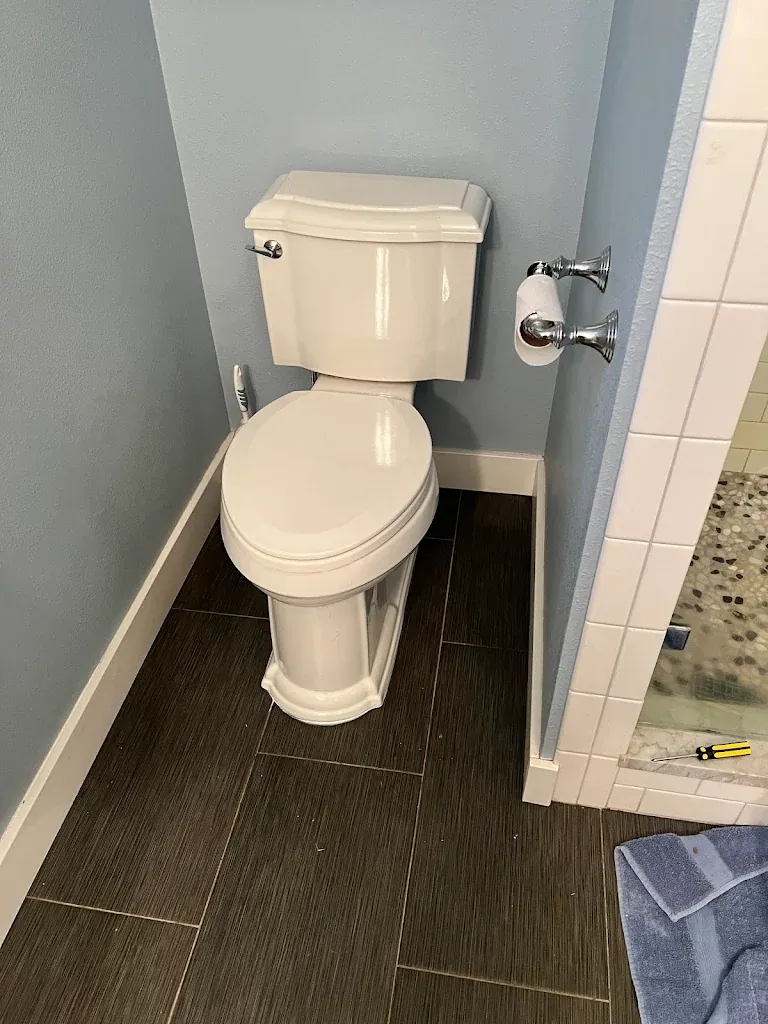
The wax ring seals the toilet to the drain flange. When the toilet rocks, the flange is broken, or the ring has compressed over decades, sewer gas leaks around the base even if water does not. The smell is strongest right at the toilet and worse after a flush.
A cracked, open or disconnected vent pipe
Vent pipes run inside walls to the roof. A joint that was never glued, an ABS pipe cracked during a remodel, or a vent cut off and capped in the attic will dump sewer gas into the wall cavity, and it finds its way into the room through outlets and trim gaps. The smell seems to come from nowhere in particular.
A leaking drain line under the house
Cast iron that has rusted through, a cracked ABS fitting, or a separated joint in the crawlspace leaks waste water into the soil below the house. The smell rises through the floor and is often strongest near the crawlspace hatch or heat registers.
A clogged or improperly placed vent on the roof
A vent terminating too close to a window or an attic vent, or one that is blocked, pushes sewer gas back toward the house. The odor shows up outdoors or in a particular upstairs room when the wind is from one direction.
A septic or ejector pump chamber that is not sealed
Homes with a basement bathroom or a septic effluent pump have a sealed basin with a vent. A cracked lid gasket or a missing vent lets gas out. Septic tank lids near the house do the same when a riser seal fails.
Safe things to check yourself first
- Pour a gallon of water down every drain in the house that is not used weekly, including floor drains and the overflow of a rarely used tub
- Add a cup of cooking oil to a floor drain after filling the trap; it slows evaporation
- Grab the toilet bowl with both hands and try to rock it; any movement points to the wax ring or flange
- Note the time of day and room where the smell is worst, and whether it follows a flush or the furnace cycling
- Check that the washing machine drain hose is inserted into a proper standpipe with a trap, not just a hole in the floor
- Look under sinks for a missing or improperly installed trap, especially after a DIY remodel
Stop and call if
- The smell is strong, constant and makes you lightheaded or nauseous
- Wet or discolored flooring around a toilet, or water in the crawlspace with the odor
- The smell appeared after a remodel or recent plumbing work
- You also hear gurgling or see slow drains throughout the house
- A septic or pump alarm is sounding
How we diagnose and fix it
- Walk the house with you, fixture by fixture, and refill or confirm every trap before looking deeper
- Pull and reset a suspect toilet with a new wax ring, and repair or replace a broken or corroded flange
- Run a smoke test on the drain and vent system to find a cracked or open vent inside a wall or attic
- Inspect the crawlspace for drain leaks and camera the main line when cast iron or old ABS is suspected
- Repair or replace the failed drain or vent section, including cast iron to PVC in the crawlspace
- Seal pump basins and confirm venting, and refer you to a septic company when the tank itself is the source
Around Kitsap, Pierce and Mason counties
Vacation cabins on Hood Canal and around Belfair and Union are the classic dry-trap call: nobody has run water for a month, the traps evaporate, and the owner walks into a sewer smell. In the older homes around Sinclair Inlet and the shipyard, cast iron drains under the floor have been rusting since the 1950s, and a smell in the crawlspace is often the first symptom of a line that is about to open up. Damp crawlspaces in our wet winters also keep the odor hanging around longer than it would in a drier climate.
Questions people ask
Is sewer gas dangerous?
At the levels that come through a dry trap it is unpleasant and can cause headaches, not injury. Hydrogen sulfide and methane in a confined, unventilated space are a different matter, which is why a strong constant smell should not be ignored.
The smell is only there in the morning. Why?
Overnight the house is still and the furnace has dried the air. Gas accumulates and you notice it first thing. Morning smells often point to a marginal trap or a small vent leak.
How do you find a smell inside a wall?
With a smoke test. We seal the drain system, introduce harmless smoke through a vent, and look for where it escapes. It finds the cracked pipe without opening every wall.
Could it be my septic tank?
If the smell is strongest outside near the tank or at a riser lid, yes. We can confirm the house plumbing is sound, but pumping and tank repairs go to a licensed septic company.
I replaced the wax ring and it still smells. What else?
A cracked flange, a broken closet bend under the floor, or a vent issue nearby. Resetting the toilet is the right first step, and the next step is the smoke test.