
What it usually looks like
- The pilot lights with the button held down, then dies as soon as you release it
- The pilot stays lit for a few minutes or hours and then goes out on its own
- The pilot flame is small, yellow or flickering instead of a steady blue cone
- The main burner lights, runs, and then the whole heater shuts down
- A status light on the gas valve blinks an error pattern
- The heater is in a garage, closet or crawlspace that is drafty or dusty
Likely causes, most common first
A worn-out thermocouple
The thermocouple sits in the pilot flame and generates a tiny voltage that holds the gas valve open. As it ages and oxidizes, that voltage drops below what the valve needs, and the valve closes the pilot gas as a safety measure. This is the number one cause by a wide margin and a quick repair on a standing-pilot heater.
Dirty pilot orifice or thermocouple tip
Dust, spider webs and lint shrink the pilot flame until it no longer bathes the thermocouple properly. The sensor cools, the valve shuts. Heaters in garages next to a dryer or a workshop are the usual victims.
Clogged flame arrestor screen
Newer sealed-combustion tanks pull air through a fine screen at the base. When that screen plugs with lint and pet hair, the burner starves for air, the flame goes lazy, and the heater shuts down. Vacuuming the screen often brings it back.
Drafts across the burner compartment
A heater in a crawlspace with open foundation vents, or a garage with a gap under the door, can have its pilot blown out on windy nights. If the pilot dies mostly during storms, the location is the problem.
Low or interrupted gas supply
A propane tank running near empty, a regulator freezing up in cold weather, or a partially closed valve starves the pilot. Flames that shrink and die while the range or furnace also struggles point here.
A failing gas control valve
The valve body contains the thermostat and the magnet that the thermocouple energizes. When the magnet weakens, even a good thermocouple cannot hold it. On an electronic-ignition heater, the control module or flame sensor plays the same role and fails the same way.
Safe things to check yourself first
- Follow the relighting instructions printed on the heater one time, holding the pilot button for a full minute before releasing
- Look at the pilot flame: it should be a steady blue cone wrapping the thermocouple tip, not a weak yellow flicker
- Check the screen or louvers at the base of the heater and vacuum off visible lint
- Note whether the pilot goes out mainly on windy or cold nights, and whether other gas appliances are also acting up
- On propane, check the tank gauge
Stop and call if
- You smell gas at any point, even faintly
- Soot, scorch marks or melted components around the burner door
- The pilot has already been relit several times and keeps dying
- The heater shuts down with a flashing fault code on the gas valve
- Flames are rolling out of the burner compartment when the main burner lights
How we diagnose and fix it
- Confirm gas pressure and check for leaks at the valve and supply line
- Test the thermocouple output with a meter and replace it if it is below the valve's threshold
- Clean the pilot assembly, orifice and flame arrestor screen, and inspect the burner for rust or debris
- Check draft at the vent and in the room, and correct it or recommend relocating or sealing the heater space
- Replace the gas control valve or ignition module when the problem is inside the valve, and give you the repair-versus-replace math on an older tank
- Verify proper combustion and venting before leaving
Around Kitsap, Pierce and Mason counties
Cascade Natural Gas serves parts of Kitsap, Puget Sound Energy covers the Pierce side, and a large share of Mason County and the rural parts of South Kitsap run propane. Propane heaters out toward Belfair, Allyn and Tahuya are the ones we see go out in cold snaps when a regulator ices up or a tank gets low. Closer to town, the common story is a heater in a drafty crawlspace under a 1960s shipyard-era home, where wind coming through foundation vents pushes the pilot right off the thermocouple.
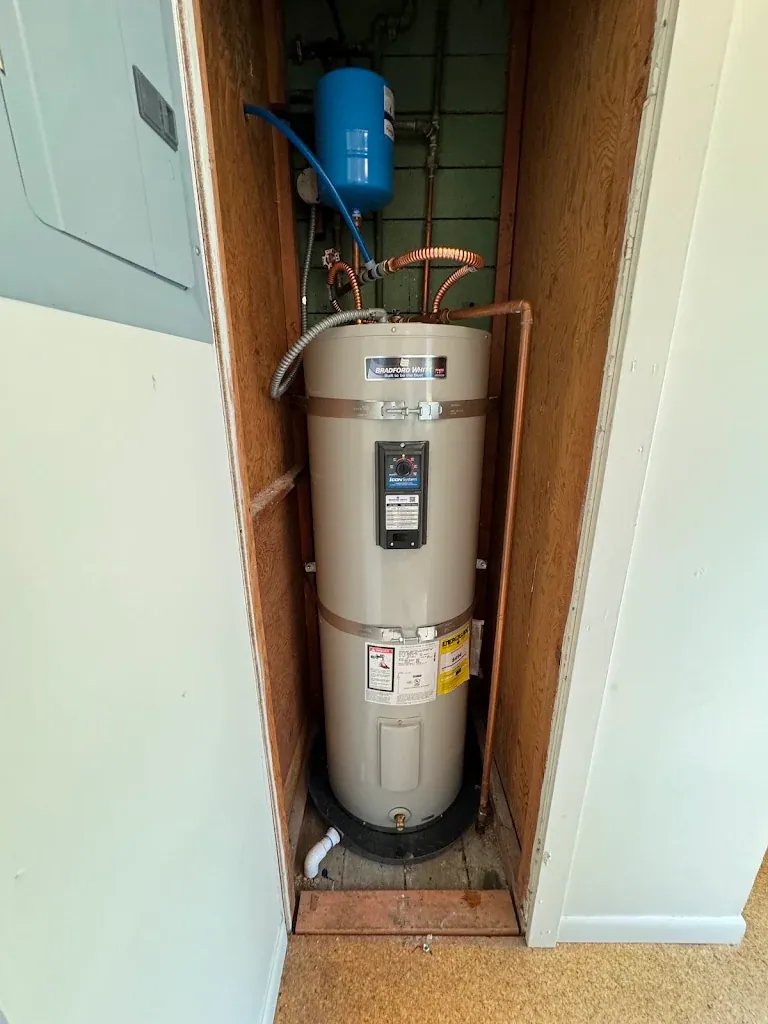
Questions people ask
Is it safe to keep relighting the pilot?
Once, following the label. Beyond that, each attempt releases unburned gas into the burner compartment. If it will not hold after one careful try, leave the gas valve in the off position and call.
How much is a thermocouple repair?
It is a modest service call, usually finished within the hour. We carry universal thermocouples on the truck.
Why does the pilot only go out at night?
Night is when outdoor temperatures drop and wind picks up. Drafts across the burner, or a propane regulator chilling, both show up after dark.
My heater has no pilot button. What applies to me?
Newer heaters use electronic ignition and a flame sensor. The failures are similar: a dirty sensor, a clogged intake screen, or a bad control module. The diagnostic is different but the service call is the same.
Should I just replace the heater?
If the tank is under ten years old and sound, fix the pilot. If it is older and already shows rust at the base or a weeping relief valve, we will lay out what a new Bradford White or A. O. Smith tank costs in worded terms and let you choose.