
What it usually looks like
- A faucet runs at a trickle or not at all while other fixtures work
- No water anywhere in the house on a morning in the teens or low twenties
- Frost or a bulge on an exposed pipe in the crawlspace, garage or outside wall
- A toilet will not refill after flushing
- Hot works but cold does not, or the reverse, at one fixture
- You hear hissing or dripping inside a wall as the day warms up
Likely causes, most common first
Uninsulated pipe in a crawlspace or exterior wall
Most Kitsap homes sit over a vented crawlspace. When the wind blows through the vents for two or three nights at 15 degrees, any copper or PEX near a vent or in an outside wall drops below freezing. Kitchen sinks on exterior walls and bathrooms over porches are the usual victims.
Hose bibs left connected to a hose
A frost-free hose bib only works if the hose is removed so the barrel can drain. With a hose on it, water stays in the valve, freezes, and often splits the pipe inside the wall. You do not find out until spring when you turn it on and the wall gets wet.
Well houses and above-ground lines
In Mason County and rural Kitsap, pressure tanks and the pipe from the well often live in a small pump house or a plastic pitless cover. A burned-out heat lamp or a door left open is enough to freeze the line, and the pump keeps running against ice until it overheats.
Power outages during the freeze
The December 2022 freeze and the January 2024 freeze both came with outages in parts of Mason County and the Key Peninsula. With no furnace running, houses that had never frozen in forty years froze in a night. Heat tape also stops working when the power is out.
Vacant or lightly heated homes
Cabins on Hood Canal and vacation homes on the Key Peninsula get set to 50 degrees or shut off entirely. The thermostat keeps the living room fine while the pipe under the bathroom floor freezes solid.
Safe things to check yourself first
- Locate your main shutoff now, before thawing anything. Make sure it turns. If it does not, see our note on stuck valves and keep a phone handy.
- Open the frozen faucet, both hot and cold. This relieves pressure as ice melts and gives the water somewhere to go.
- Warm the room. Open cabinet doors under sinks, open the crawlspace hatch to let house heat down, and run a space heater in the room with the frozen fixture.
- Apply gentle heat to the exposed section: a hair dryer, a heat lamp held at a distance, or towels soaked in warm water. Start at the faucet end so the melt can escape.
- Check every other faucet and the water heater while you wait, and look under sinks and in the crawlspace with a flashlight for drips or frost.
- Keep a trickle running at the farthest faucet once flow returns, and leave it running until the cold snap breaks.
Stop and call if
- Water appears anywhere it should not as the pipe thaws, including a ceiling, wall or crawlspace
- You cannot find or cannot close the main shutoff and a pipe is leaking
- The frozen section is inside a wall or ceiling you cannot reach
- The well runs continuously and no water is coming
- The water heater or its supply lines are frozen, since a frozen tank can rupture
How we diagnose and fix it
- Locate the freeze by checking fixtures and following the pipe with a thermal camera or by touch, which tells us whether the block is in the crawlspace, wall or service line.
- Thaw copper safely with a pipe-thawing machine or controlled heat, and thaw PEX with warm air, never open flame.
- Pressure-test the thawed section and inspect for splits, bulges and pulled joints before turning the house back on.
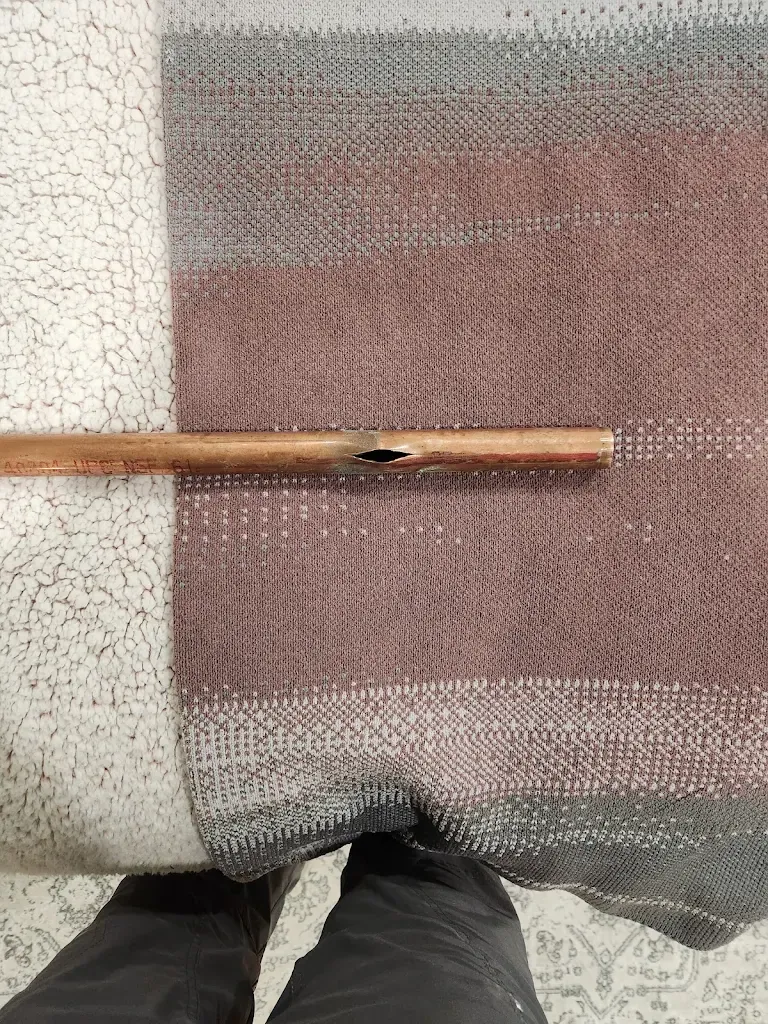
- Cut out and replace any split copper or PEX, re-crimp or re-sweat joints, and replace burst hose bibs with frost-free models properly pitched to drain.
- Insulate the exposed run, seal the crawlspace vents near the pipe, and install heat tape or relocate the line where it keeps freezing.
- If the freeze flooded the crawlspace or a ceiling, we photograph everything for your insurance claim and refer you to a restoration company for drying.
Around Kitsap, Pierce and Mason counties
Western Washington does not freeze hard often, which is exactly why our houses are not built for it. The December 2022 cold snap and the week of single digits in January 2024 produced more burst-pipe calls in a few days than we normally see in years, from crawlspace copper in Port Orchard to pump houses in Tahuya and Union. Homes near the water on Sinclair Inlet, Hood Canal and the Narrows catch the wind, and a crawlspace vent facing the water will freeze a pipe that is otherwise fine. If your house froze once, it will freeze again in the same spot unless the cause is fixed.
Questions people ask
How long does it take a frozen pipe to thaw on its own?
Anywhere from a few hours to a couple of days, depending on how deep the cold goes and where the pipe is. Waiting is risky because you have no idea whether the pipe split, and a split pipe will flood the moment the ice lets go. Shut the main if you are going to wait it out.
Can I use a propane torch to thaw a copper pipe?
Please do not. Torches start crawlspace and wall fires every winter, and they can turn trapped water to steam and rupture the pipe. Warm air and warm towels are slower but safe.
My pipes thawed and nothing is leaking. Am I in the clear?
Mostly. Walk the house again after a few hours and the next morning, check the water meter with everything off, and look at ceilings below bathrooms. Small splits sometimes only show up under full pressure after a day or two.
Why does only one bathroom freeze every winter?
Because that one has a pipe routed through an outside wall, over a cantilevered floor or past a crawlspace vent. We can usually reroute a short section into conditioned space, which solves it permanently.
Will insurance cover a burst pipe?
Sudden burst damage is commonly covered, though policies differ. We provide photos, a written description of the failure and the invoice, which is what adjusters ask for. Drying and rebuild are handled by a restoration company, not by us.
Should I leave faucets dripping every night in winter?
Only when it is forecast to stay below about 25 degrees overnight, and only the faucets on the far end of the house or on exterior walls. Moving water is much harder to freeze.