
Short answer
Winterizing plumbing in Western Washington means protecting the handful of spots that fail during our short, sharp cold snaps rather than wrapping the whole house like a Montana cabin. Disconnect hoses and cover hose bibs, close crawlspace vents and insulate exposed pipe under the house, heat or insulate the well house, and know where your main shutoff is. The December 2022 and January 2024 freezes showed that a few days in the teens is enough to split pipe in homes that had never frozen before.
In this guide
- Why Puget Sound homes are poorly prepared for cold
- Outdoor faucets and hoses come first
- The crawlspace is where most of the damage happens
- Well houses, pressure tanks and pump sheds
- Water heaters, garages and the main shutoff
- What to do when a hard freeze is in the forecast
- Winterizing a vacant or seasonal home
Key takeaways
- Our winters are mild until they are not. Two or three nights in the teens with a north wind will freeze pipe that has survived twenty ordinary winters.
- Hose bibs with a hose still attached are the single most common freeze failure we repair, and the split is usually inside the wall where you cannot see it.
- Crawlspace vents should be closed or covered before the first hard freeze and opened again in spring.
- Well houses and above-ground pressure tanks need a heat source or real insulation, not a tarp.
- Find and exercise your main water shutoff in November, when it is dry and you are calm, not in January with water running through the ceiling.
- A dripping faucet during a hard freeze is cheap insurance for pipes on exterior walls.
Why Puget Sound homes are poorly prepared for cold
Most of the housing between Port Orchard and Shelton was built for rain, not for cold. Crawlspaces are vented year-round, water lines run through unheated garages and along the inside of exterior walls, and hose bibs on older homes are plain brass sill cocks with no frost protection. For most winters this is fine. Marine air keeps us in the high thirties and forties, and a light frost burns off by ten in the morning.
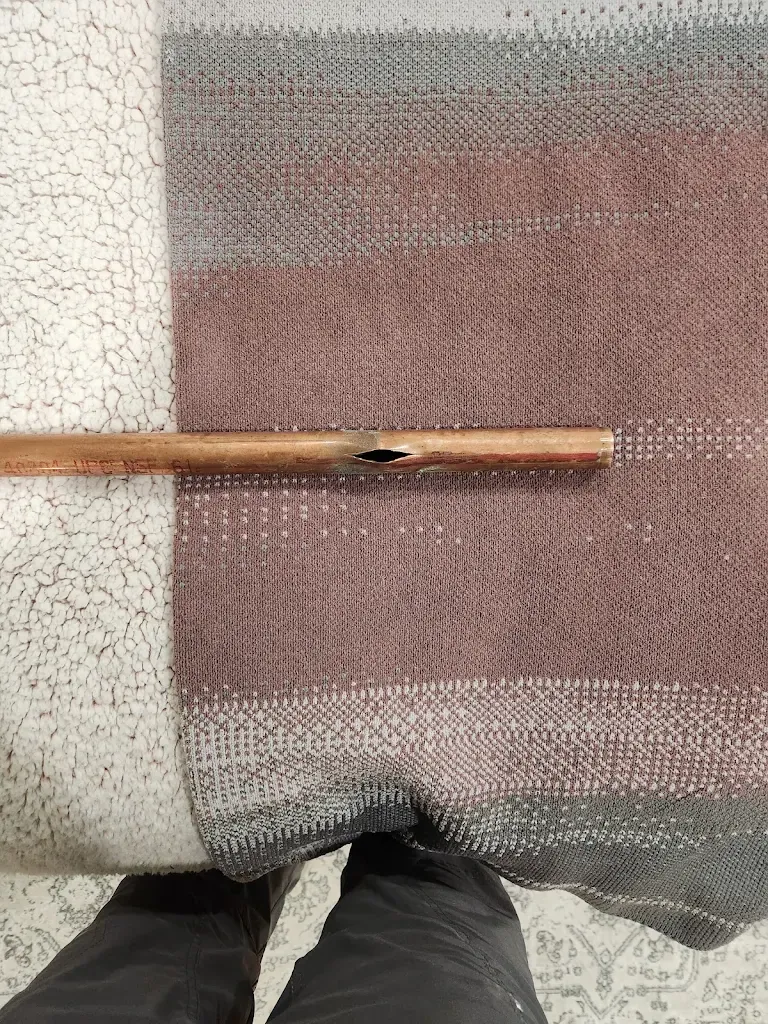
Then an arctic outflow sets up. Cold, dry air pours down the Fraser Valley and across the Sound, the wind picks up out of the north, and overnight lows drop into the teens for several nights in a row. The December 2022 event did exactly that right before Christmas, and January 2024 did it again with a week of single-digit wind chills. Both times our phones rang for days with split copper, burst PEX fittings, and hose bibs spraying inside walls.
The houses that failed were not neglected. They were ordinary homes in Bremerton, Gig Harbor and Belfair that had never seen that kind of cold since their pipes went in. Winterizing here is about identifying the five or six weak points in your particular house and spending an afternoon on them, not about draining the whole system.
Outdoor faucets and hoses come first
Every year the first wave of freeze calls is hose bibs, and nearly all of them had a hose still attached. A frost-free hose bib works by putting the actual valve seat a foot or more back inside the heated wall, so the exposed stem drains dry after each use. A hose left on traps water in the barrel, the water freezes, and the pipe splits behind the siding. You find out in March when you turn it on and water runs down inside the wall.
Take every hose off, drain it, and store it. If the bib is an older non-frost-free type, close the interior shutoff feeding it if one exists, then open the bib to drain the stub. Foam covers help on either style, mostly by blocking wind. If a bib has no interior shutoff and no frost-free barrel, that is a modest replacement job we recommend doing before winter rather than after.
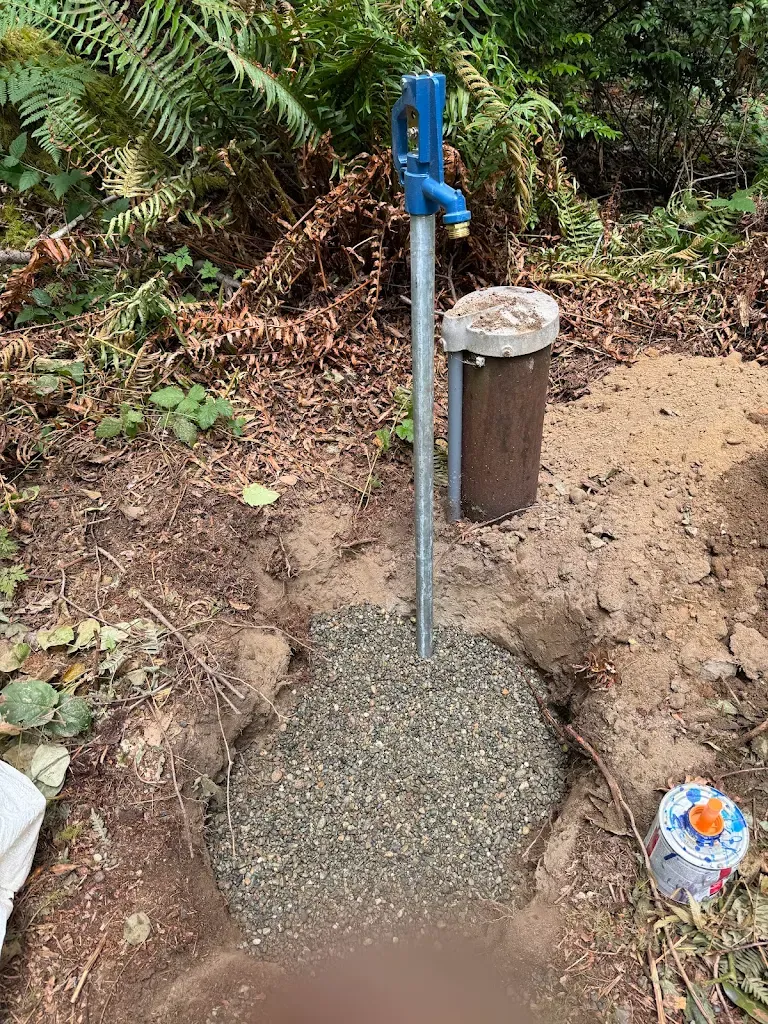
Yard hydrants on well properties and irrigation systems need the same attention. Irrigation lines should be blown out or at least drained at the low point, and the backflow preventer should be insulated or removed and stored, since those brass assemblies crack easily when they freeze full.
- Disconnect, drain and store every hose
- Close interior shutoffs to outdoor faucets where they exist, then open the bib to drain
- Add foam covers to all exterior faucets
- Drain or blow out irrigation lines and protect the backflow assembly
- Note which bibs are not frost-free and plan to replace them
The crawlspace is where most of the damage happens
A vented crawlspace in a north wind is essentially outdoors. The water lines down there are usually bare copper or PEX strapped to the joists, and in 1950s and 60s homes near the shipyard they are often galvanized steel running within a foot of a foundation vent. Cold air pours through the vent, sits on the pipe, and the pipe freezes while the house above stays at sixty-eight.
Close or cover the vents before the first forecast freeze. Hardware stores sell foam vent plugs, or you can cut rigid foam to fit. Then get under the house with a flashlight and look at any pipe within a few feet of a vent or the rim joist. Those runs should get foam pipe sleeves at minimum. Heat tape on a thermostat is the better answer for a run that has frozen before, and we install it with the plug accessible so you can check it each fall.
While you are down there, look for crawlspace moisture. Standing water or saturated insulation under the pipes pulls heat out of them faster than dry air does, and it is also the first sign of a drainage or sump problem that the rainy season will make worse.
Well houses, pressure tanks and pump sheds
A large share of homes in Mason County, South Kitsap and the Key Peninsula are on private wells, and the pump house is the most exposed plumbing on the property. A pressure tank, pressure switch and a few feet of pipe inside an uninsulated plywood shed will freeze in one hard night. When the switch freezes you lose water to the whole house, and when the tank tee splits you get a flooded shed and a pump running itself to death.
The fix is simple and cheap compared to the repair. Insulate the shed walls and ceiling, seal the gaps around the pipe penetrations, and add a small thermostatically controlled heater or a heat lamp wired safely. A thermometer you can read from outside the door tells you whether the setup is working. On properties where the pressure tank sits in an unheated garage or outside against the house, wrap the tank and the exposed piping and consider moving the tank indoors as a longer-term project.
If a well property will be unoccupied for the winter, which is common with Hood Canal and Lake Cushman cabins, shut the pump off at the breaker, drain the pressure tank and the house lines, and open every faucet. A winterized cabin is one where there is nothing left in the pipes to freeze.
Water heaters, garages and the main shutoff
Tank water heaters in garages do fine in cold weather as long as the garage stays above freezing, but the cold and hot lines above the tank are often bare copper for the first few feet. Sleeve them. Tankless units mounted on an exterior wall have built-in freeze protection that only works if the unit has power, so never shut off the breaker to a tankless heater during a cold snap. Rinnai and similar units also have a drain-down procedure for extended power outages, which matters during the windstorms that often follow a freeze.
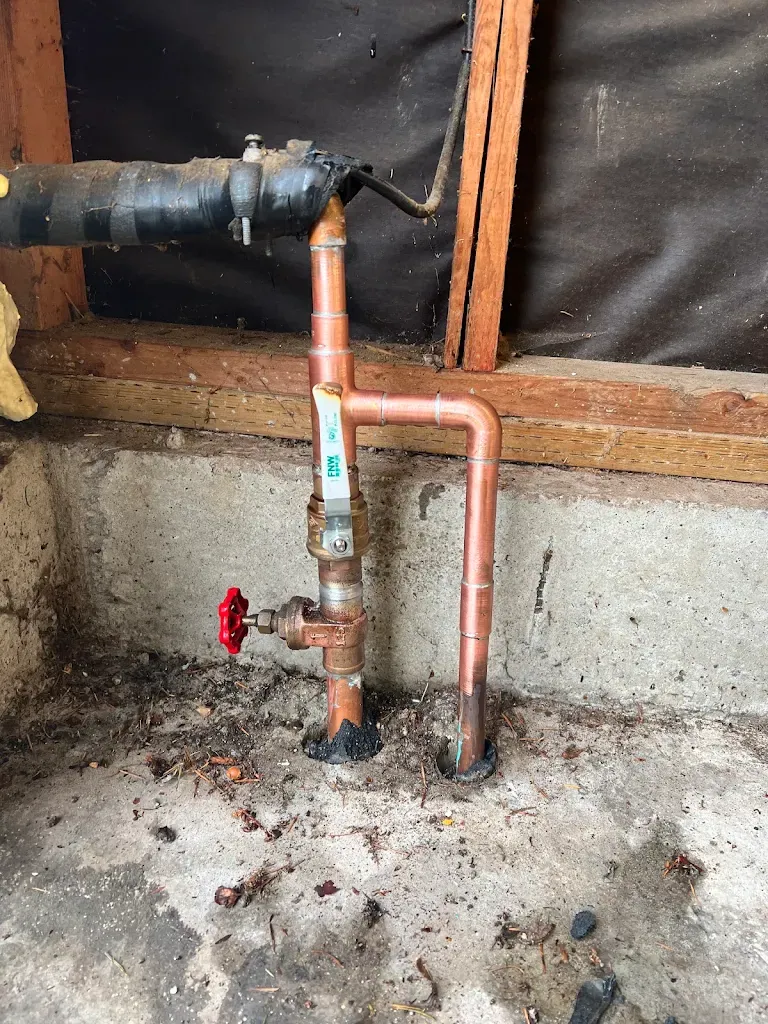
Find your main shutoff now. In most Port Orchard and Bremerton homes it is in the crawlspace near where the water line enters, in the garage, or at the meter box by the street. Turn it fully closed and back open once so you know it will move. If it is a gate valve that will not budge or weeps when you touch it, replace it with a ball valve before winter. The hours after a pipe bursts are not the time to discover the valve is frozen in the open position.
If your water comes from Kitsap PUD, West Sound Utility District or the City of Port Orchard, the meter box lid should be in place and the box free of standing water. A meter that freezes is the utility's problem to replace, but the time without water is yours.
What to do when a hard freeze is in the forecast
The National Weather Service office in Seattle gives several days of warning before an arctic outflow. When the forecast shows overnight lows in the low twenties or below for more than one night, there are a few things worth doing even in a house that is otherwise ready. Open the cabinet doors under kitchen and bathroom sinks on exterior walls so room air reaches the pipes. Let the faucet farthest from the main shutoff run a steady drip of cold water, which keeps water moving and relieves pressure if ice does form somewhere in the line.
Keep the thermostat at the same setting overnight rather than setting it back. Garage doors stay closed. If you have a pipe that has frozen in the past, put a small space heater near it, running on a cord you can see and with nothing flammable nearby. Check the pump house thermometer before bed.
And if the power goes out during the cold, which happened to thousands of Peninsula Light and Mason PUD customers in both recent freezes, the clock starts. A house with no heat will start freezing pipes in exterior walls within a day or two depending on the wind. If the outage looks long, shut the main off, open the faucets at the lowest and highest points in the house, and drain what you can.
Winterizing a vacant or seasonal home
Plenty of our customers own a second place on Hood Canal, a rental that sits between tenants, or a parent's house that is waiting to sell. An empty house in a freeze is a liability because nobody is there to notice the drip under the sink or the hiss in the wall. The insurance claims we help document each spring are disproportionately from homes that were empty when the pipe let go.
A full winterization means shutting the main, draining the water heater and the lines, blowing out the low points if you can, and pouring non-toxic RV antifreeze into every trap, toilet bowl and tank so the seals do not dry out and sewer gas stays in the pipe. Turn the water heater off at the breaker or set gas units to vacation mode before draining. We do this as a scheduled service in October and November and reverse it in the spring.
For a house that will stay heated but unoccupied, a smart shutoff valve that senses a leak and closes the main on its own is worth a hard look. It will not stop a pipe from freezing, but it turns a flooded house into a wet closet.
Frequently asked
How cold does it have to get to freeze pipes in Western Washington?
Exposed pipe in a crawlspace or garage can freeze once overnight temperatures stay below about twenty degrees for more than a few hours, especially with wind. Pipes inside heated walls usually need several consecutive nights in the teens. Both the December 2022 and January 2024 events crossed those thresholds across all three counties we serve.
Should I leave faucets dripping every night all winter?
No. Dripping is for the handful of nights each winter when lows drop into the low twenties or below. A steady drip from the faucet farthest from the main shutoff during those nights is enough. Running it all winter wastes water and does nothing on a forty-degree night.
Do I need to winterize if I have PEX pipe?
PEX tolerates freezing better than copper because it can expand, but the brass and plastic fittings at each end do not. We repair plenty of PEX systems after a freeze, and the failure is almost always a fitting or a valve, not the tubing itself. Treat PEX the same as any other pipe.
Can you winterize my cabin for me?
Yes. We drain and winterize seasonal homes in Mason County and along Hood Canal each fall and bring them back online in spring. It is a flat-rate service, and we document what was drained so whoever opens the place up knows exactly what to reconnect.
What about the water heater during a freeze?
A tank heater in a garage that stays above freezing is fine. Sleeve the exposed pipe above it. Keep power to a tankless unit on so its freeze protection works, and if the power will be out for a long stretch in deep cold, follow the manufacturer's drain procedure or call us to do it.
Is it too late to winterize once a freeze has started?
Not entirely. Pulling hoses, closing crawlspace vents, opening cabinet doors and dripping faucets all help even on the first cold night. What you cannot do quickly is insulate a crawlspace or heat a pump house, so those are October jobs.
About the author. Gregory Lowe is the owner and lead plumber at Washington Plumbing & Drain, a veteran-owned company in Port Orchard serving Kitsap, Pierce and Mason counties. The guidance here comes from daily work in local homes, not from a content farm. Call (360) 812-1124 with questions.