
Short answer
The plumbing fixes that pay off before a sale are the inexpensive ones a buyer's inspector is certain to find: running toilets, dripping faucets, a water heater with no pan or strapping, a corroded shutoff, slow drains, and a visible leak under a sink. Big-ticket items like a repipe or sewer replacement usually should not be done on speculation; instead, get a sewer scope and a plumbing inspection yourself so you know what the buyer will find and can price or negotiate it on your own terms.
In this guide
- What a buyer's inspector will find in the first hour
- The cheap fixes to make before listing
- The water heater: fix the installation even if you keep the unit
- Get your own sewer scope and plumbing inspection first
- The big items: disclose and price, do not do on speculation
- Wells, septic and the disclosure form
- Presentation: the crawlspace and the shutoffs
- Timing the work
Key takeaways
- Every drip, running toilet and slow drain will show up in the buyer's inspection report and will be used to ask for a credit larger than the repair.
- A seller-ordered sewer scope and plumbing inspection removes the surprise from the inspection period, which is where most deals in this market wobble.
- Fix the water heater's installation defects (pan, strapping, expansion tank, relief valve discharge) even if you do not replace the heater.
- Do not repipe or replace a sewer line on speculation unless it is failing; disclose it, price it, and let the buyer choose.
- Washington's seller disclosure form asks directly about plumbing, water source, sewer and septic, and known defects. Answer it with the inspection in hand.
- A clean, dry, well-lit crawlspace with labeled shutoffs tells an inspector the house was cared for.
What a buyer's inspector will find in the first hour
The inspection period is where a sale gets renegotiated, and plumbing is a reliable source of material. An inspector in Kitsap County walks through with a checklist and a flashlight and tries every fixture. Each small defect becomes a line in the report, and buyers' agents add those lines up into a repair request. A running toilet, a dripping tub spout, a disposal that hums, a hose bib that leaks at the handle, and a slow bathroom sink are five items that cost little to fix and that, left alone, read like a house nobody maintained.
Fixing them ahead of time is not about hiding anything. It is about keeping the inspection report short so the conversation stays on the house rather than on a list. The credits buyers ask for are nearly always larger than what the repair would have cost, because the buyer is pricing in uncertainty and the hassle of dealing with it after closing.
This matters more in a market where buyers are coming from Seattle, Tacoma or out of state and relying on the inspection report to understand a house they visited once.
The cheap fixes to make before listing
Start with toilets. A flapper, fill valve or flush valve that runs or ghost-flushes is inexpensive to replace. A toilet that rocks or weeps at the base needs a new wax ring and possibly a flange repair, which is more involved but still a routine job. A toilet from the 1980s or earlier that uses several gallons per flush and flushes weakly is often worth replacing outright with a modern comfort-height unit, since buyers notice the bathroom.
Faucets and shower valves come next. A dripping kitchen faucet usually needs a cartridge. A tub spout that leaks when the shower runs needs a diverter. A shower handle that is stiff, backward or missing a trim piece looks worse than it is, and a new cartridge and trim kit brings it back. Replace any faucet that is corroded or cannot be repaired.
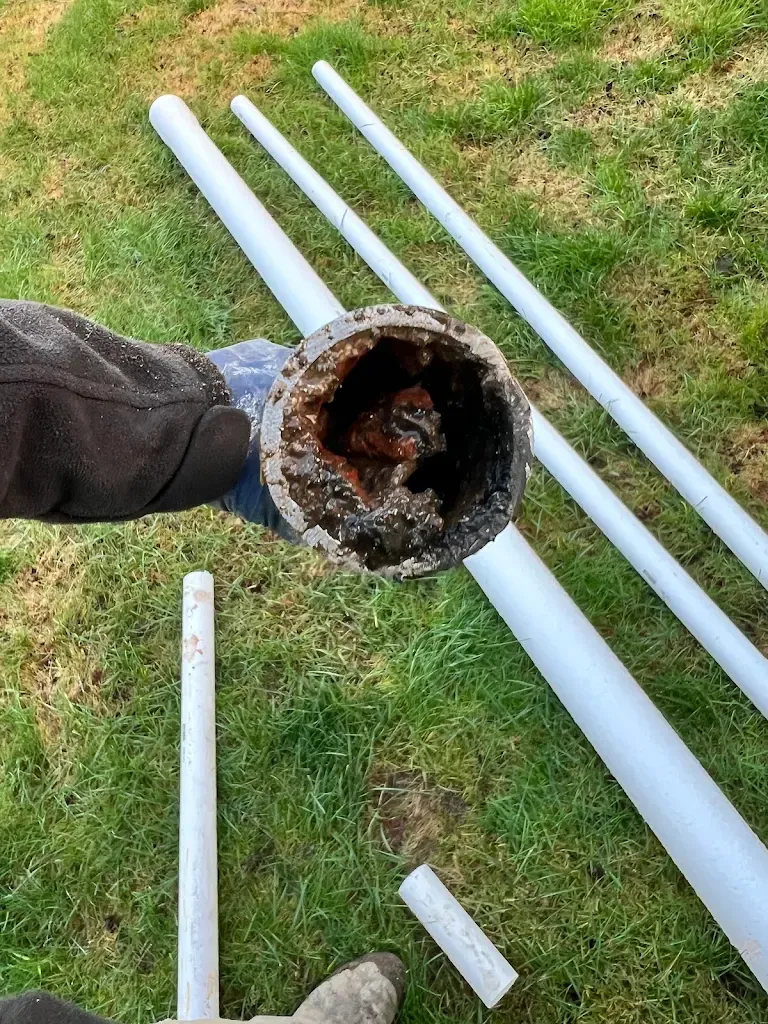
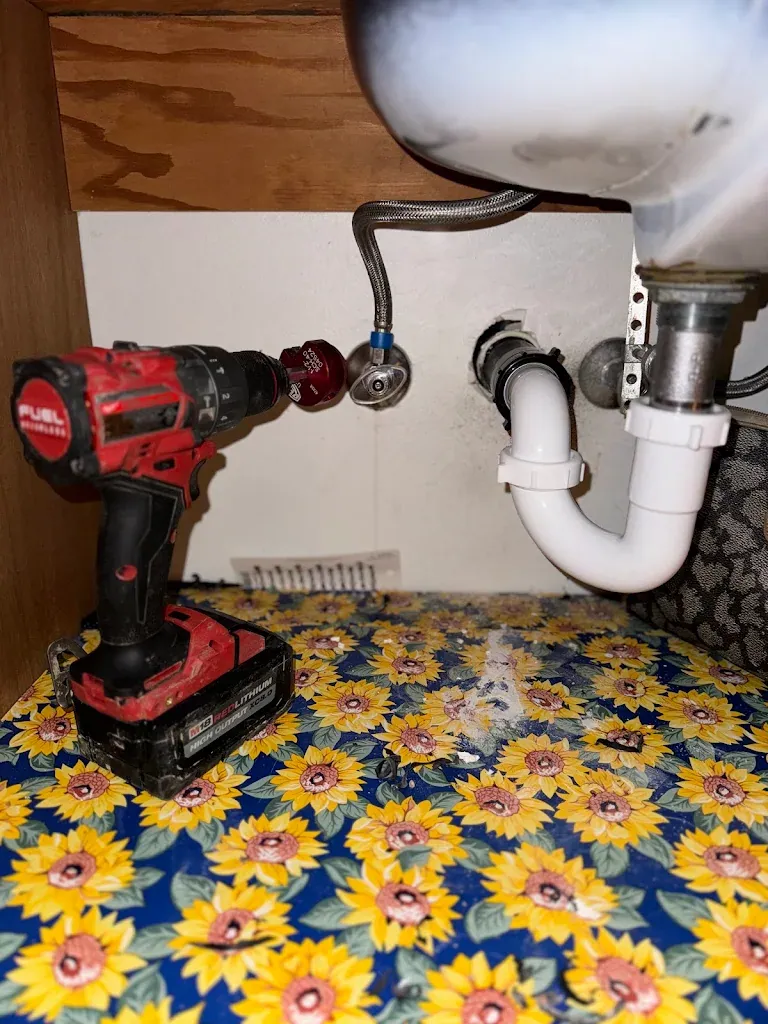
Then drains. Every sink, tub and shower should drain fast and quietly. A slow bathroom sink is hair at the pivot rod and takes minutes. A slow kitchen line is grease and should be cabled, and if the main line has ever backed up, cleared and scoped. Finally, walk every supply shutoff under every sink and behind every toilet and replace the ones that are frozen, corroded or weeping, because the inspector will turn them.
- Replace flappers and fill valves on any toilet that runs
- Reset or replace toilets that rock or leak at the base
- Fix every dripping faucet, tub spout and shower valve
- Clear every slow drain, and cable and scope the main if it has ever backed up
- Replace corroded or frozen fixture shutoffs
- Repair hose bibs that leak at the handle or inside the wall
- Tighten or replace P-traps and supply lines that show any dampness
The water heater: fix the installation even if you keep the unit
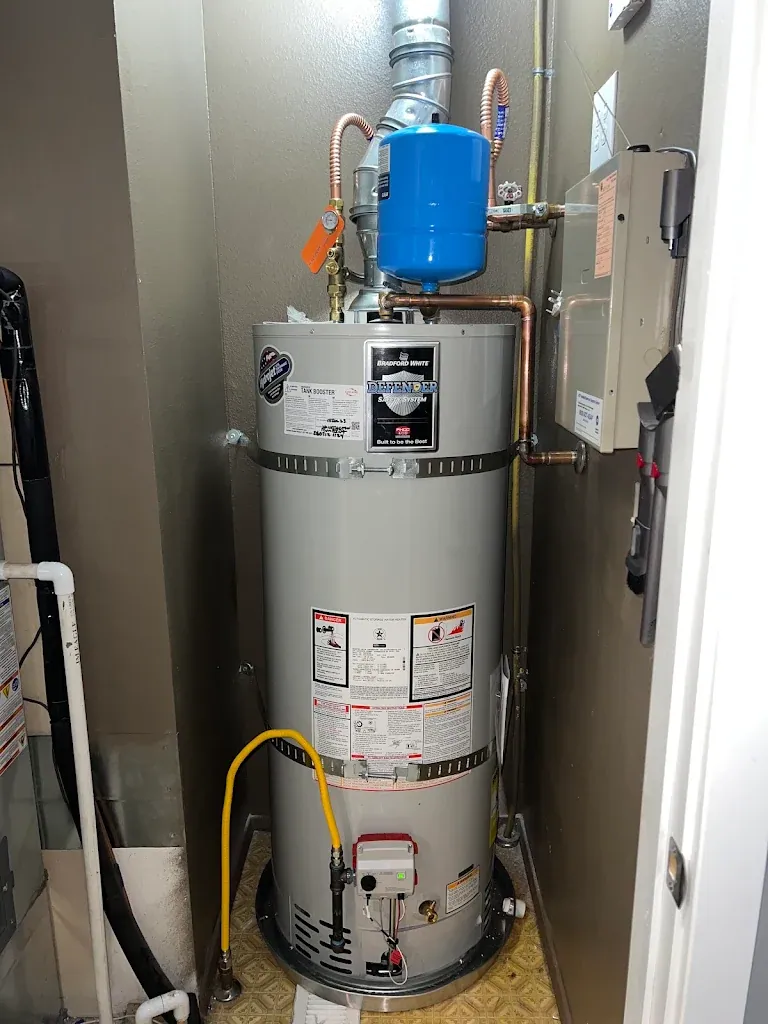
An older water heater is not a deal-breaker, but a badly installed one is a list of findings. Inspectors look for the same things every time: seismic strapping (required in Washington), a drain pan on any heater in a living space or above a finished area, a relief valve discharge pipe that runs to a safe location and does not end in a bucket, a thermal expansion tank on a closed system, a proper vent on a gas heater, and a working shutoff on the cold side.
Correcting those on an existing heater is a modest job. If the heater is past twelve years, leaking, or showing rust at the base, replacing it before listing is usually worthwhile because a new water heater is one of the few plumbing items buyers actively like to see. If it is eight or ten years old and working fine, leave it, disclose the age, and let the buyer decide.
For tankless units, have the heater descaled and keep the service record. A buyer who sees a Rinnai with isolation valves and a dated service tag assumes the rest of the house was treated the same way.
Get your own sewer scope and plumbing inspection first
This is the single most useful thing a seller can do with an older house. On any home built before about 1990, and especially the 1950s and 60s homes around Bremerton, Port Orchard and Tacoma with clay, cast iron or Orangeburg laterals, the buyer's agent is going to recommend a sewer scope. If the buyer's scope finds a problem, you are negotiating from behind, on their timeline, against a repair estimate from whoever they called.
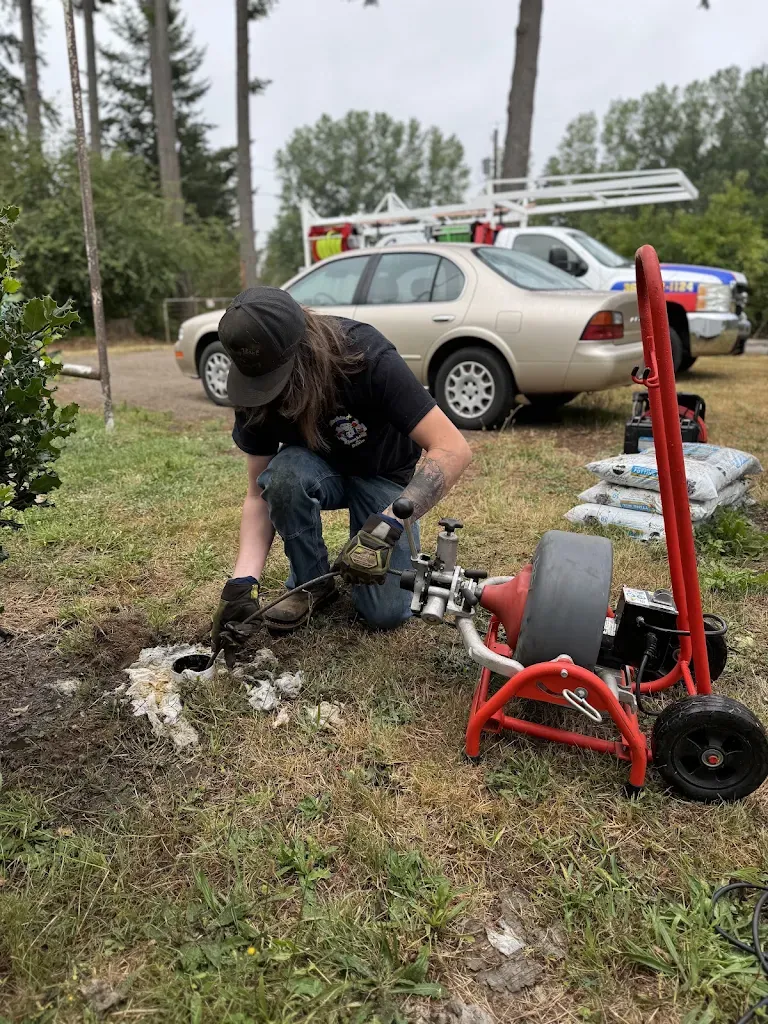
If you run the scope first, you know what is down there. A clean line becomes a selling point, with video you can hand to the buyer. A line with roots gets cleaned and documented. A line with a broken section gets a written repair estimate from us that you can price into the listing or offer as a credit, which is almost always cheaper than what a buyer will demand when they find it themselves.
A whole-home plumbing inspection does the same for the rest of the system: pipe materials, pressure, PRV, the well equipment, the crawlspace. The report also fills out the seller disclosure accurately, which protects you after closing.
The big items: disclose and price, do not do on speculation
A whole-house repipe, a sewer line replacement, a new well or a drainfield repair are four-figure to five-figure projects, and doing them before a sale rarely returns the full cost. The exception is when the system has actually failed: a sewer that backs up, a galvanized line that has leaked more than once, a well that runs dry. A buyer cannot get financing or insurance on a house with an active failure, so those have to be fixed to sell at all.
For everything else, disclose it, attach the inspection and the estimate, and set the price with it in mind. A buyer who knows the house has galvanized pipe and a repipe estimate in the file can make an offer with eyes open. A buyer who finds it in the inspection feels misled, even when nothing was hidden.
Polybutylene supply pipe is the one material we would consider replacing before listing, because some insurers will not write a policy on a house that has it and the buyer may not be able to close without the work done.
Wells, septic and the disclosure form
Washington's seller disclosure statement asks about the water source, whether the well has been tested, whether the house is on sewer or septic, when the septic was last pumped and inspected, and whether there are any known plumbing defects or leaks. Kitsap Public Health and the other county health districts often require a septic inspection at the time of sale, so get that scheduled early with a septic company.
For a well, the sale will go more smoothly with a recent flow test and a current water quality test showing bacteria, nitrate and arsenic results. Have the pressure tank and pump checked, and replace a waterlogged tank or a pressure switch that is corroded. A pump house that is insulated, lit and dry with a thermometer on the wall tells a buyer from the city that this system is not scary.
If the house has a septic effluent pump or a grinder pump, have it serviced and confirm the alarm works. A pump alarm that goes off during the buyer's walk-through is a memorable event.
Presentation: the crawlspace and the shutoffs
Inspectors spend real time in crawlspaces, and buyers read what they write. A crawlspace with a clean vapor barrier, dry soil, no debris, working lighting and pipes that are supported and insulated reads as a maintained house. One with standing water, old insulation hanging in sheets, and a sump pump sitting in a bucket reads as deferred maintenance, regardless of what the pipes themselves look like.
Label the main water shutoff, the water heater shutoff and the gas shutoff with a tag. Make sure the main valve turns and closes fully; if it is a seized gate valve, replace it with a ball valve. Make sure the sewer cleanout is visible, capped and not buried under bark. These are small things that cost almost nothing and that make an inspector's job easier, which tends to make the report kinder.
Timing the work
Most of the small fixes can be done in a single visit two to four weeks before listing, after the photos are planned but before the house goes live. The sewer scope and plumbing inspection should come first, because what they find determines the rest of the list. Water heater replacement, if you are doing one, should be done a few weeks ahead so the permit is finaled and in the record before the buyer's agent searches it.
Everything we do for a sale is flat-rate and quoted before the work starts, so you can decide line by line what to do now and what to disclose instead. We also put the findings and the repairs in writing in a form that can go straight into the disclosure packet.
Frequently asked
Should I replace the water heater before selling?
If it is leaking, rusting or past about twelve years, yes. If it is younger and working, fix the installation defects (strapping, pan, expansion tank, relief discharge) and disclose the age instead.
Is a seller-paid sewer scope worth it?
On any pre-1990 house or any house with large trees, yes. It is a modest cost and it keeps the sewer line from becoming a surprise during the inspection period, where it would cost you more in credits or a lost buyer.
What if my inspection finds a problem I cannot afford to fix?
Disclose it with the written estimate attached and price the house accordingly. Buyers will take a known problem with a number on it. What they will not take is finding it themselves after they thought the house was clean.
Do I need permits for pre-sale plumbing repairs?
Replacing faucets, toilets, flappers and shutoffs does not require a permit. Replacing a water heater, adding a gas line, repiping or replacing a sewer line does. We pull the permit when one is needed so it shows up finaled in the county record.
Can you give me a written report for the disclosure form?
Yes. Our plumbing inspection comes with a written report and photos, and any repairs are invoiced with a description of what was done. Both go straight into the seller disclosure packet.
About the author. Gregory Lowe is the owner and lead plumber at Washington Plumbing & Drain, a veteran-owned company in Port Orchard serving Kitsap, Pierce and Mason counties. The guidance here comes from daily work in local homes, not from a content farm. Call (360) 812-1124 with questions.